Who gains
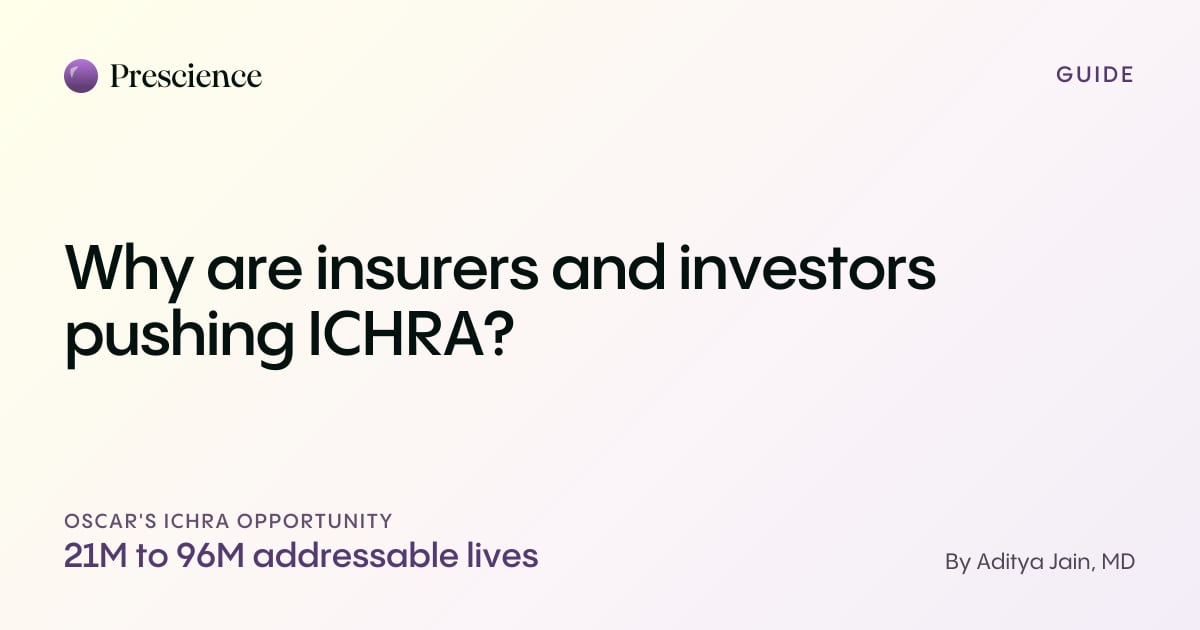
- Individual-market insurers. Every employer that moves to ICHRA sends its employees to buy individual plans. Oscar's CEO described ICHRA as a way to reach the 75 million people in small group and middle-market coverage.
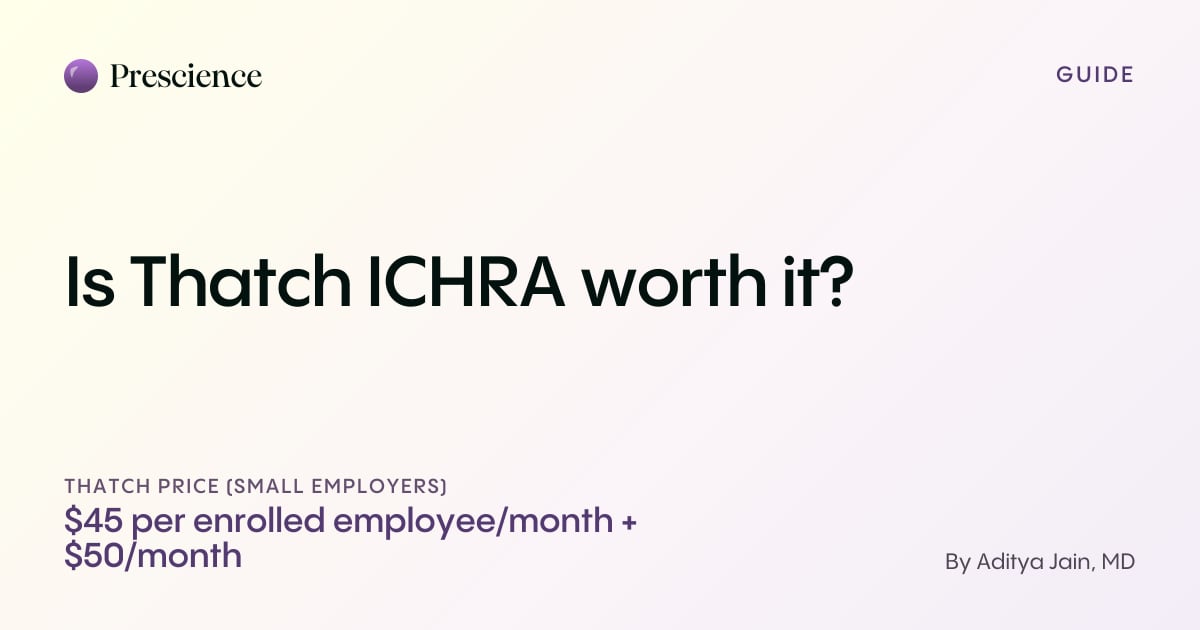
- ICHRA platforms. They earn per enrolled employee per month; Thatch publishes $45 plus a $50 monthly fee for small employers.
- Employers' budgets. Spending is capped, and future price increases land on employees.
Who bears the risk
Employees. They buy plans on a market where about 79% of 2026 plans are HMOs or EPOs, premiums rose about 26% this year and the average deductible is $3,786. Older employees can pay up to three times as much as younger ones for the same plan.
I don't think the people building ICHRA companies are acting in bad faith. But a system that moves risk from employers to individuals, and adds another administrative layer to do it, isn't progress for patients.
A different direction
At Prescience, we design and run your company's health plan, from setup and enrollment to claims, compliance and COBRA. What your team gets:
- An effective $0 deductible, so the plan helps from the first visit.
- Simple copays shown before a visit, capped by a low out-of-pocket maximum.
- A broad national PPO network, plus providers we contract with directly.
- 24/7 physician-led care navigation: a care team that finds the right provider, books appointments and explains costs up front.
What your company gets: one monthly cost set in your quote, usually 10–20% below comparable fully insured coverage and fixed before the plan starts, with no admin fees. You keep your payroll provider, and the plan can start mid-year.
See what your team would pay with Prescience
Answer a few questions about your team and get a quote in about 60 seconds, or talk it through with one of our benefits experts.