What senior candidates actually compare
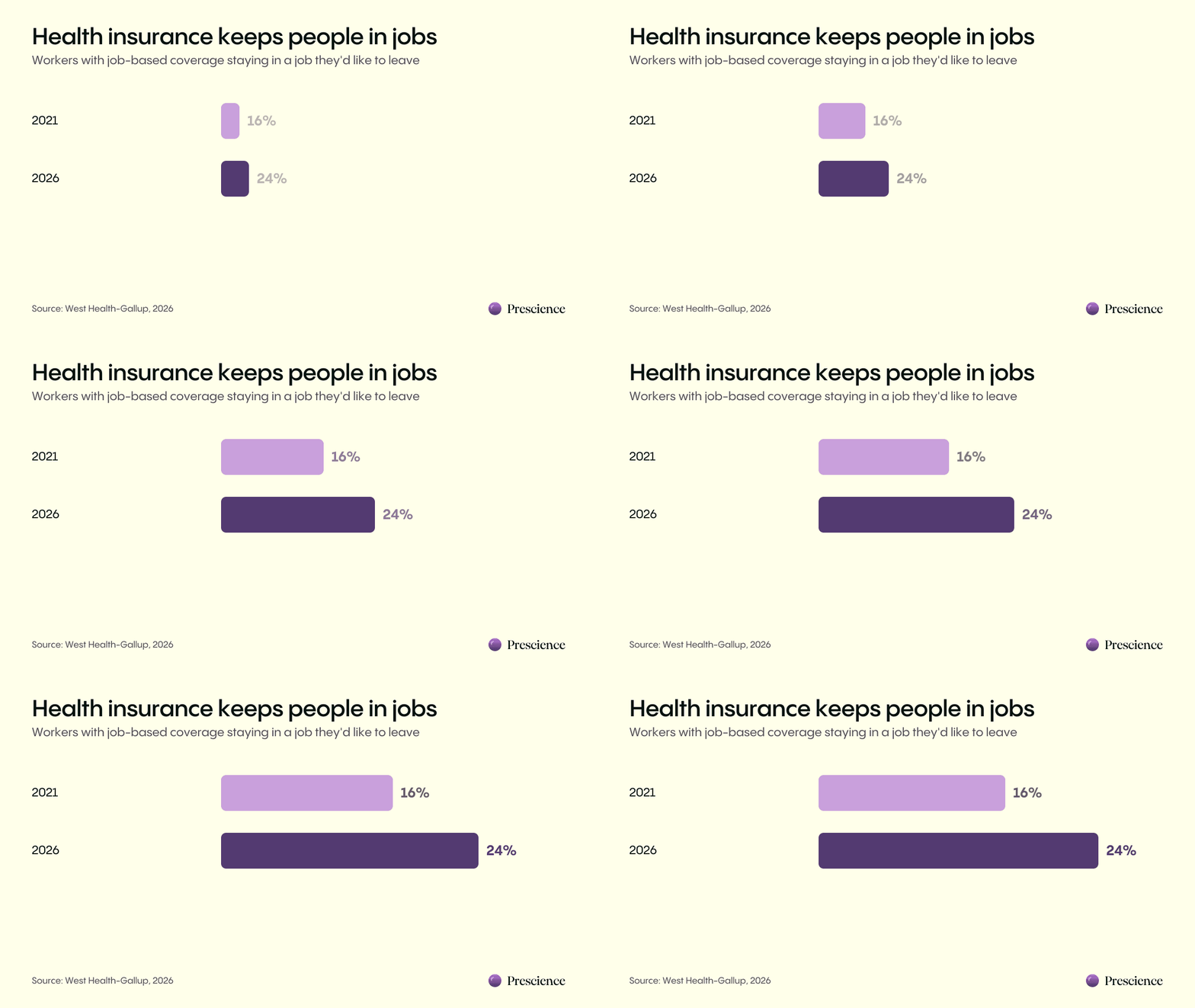
When someone with a family sits down with your offer and their current plan documents, they look at four things: what comes out of the paycheck, the deductible, the out-of-pocket maximum and whether their doctors are in network. Large tech companies usually win all four. In a survey of YC companies I ran this year, big tech offered roughly $15,000 a year more in benefits per employee while spending a similar amount.
It matters more than founders expect. Harvard Business Review reported that four in five employees would take better benefits over a raise, and benefits are tax-advantaged in a way salary isn't.
What it looks like in a real offer
One Series A YC company we work with was recruiting a senior executive from big tech who had just started a family. Benefits were one of his biggest decision factors. With a Prescience plan, the company could offer an effective $0 deductible, a low out-of-pocket maximum and a physician-led care team. We helped the founder write a short comparison against his big tech plan, and he made the switch.
Benefits matter most when something goes wrong. A member on one of our plans received a hospital bill of about $47,000. They paid $1,000, the plan covered the rest, and our team handled the payments with the hospital so they didn't spend hours on the phone.
We've used the same plan to beat Google offers for our own hires. Rishab and I launched Prescience through Y Combinator for exactly this reason: startups were losing great candidates over health insurance.
Why startups usually lose on benefits
Large companies run their health plans differently from small ones, with teams of doctors and analysts designing benefits and cutting out middlemen. Startups usually rent a plan from a PEO or carrier instead, and pay more for less. I explain the difference in How does FAANG offer top health benefits?
How to compete
At Prescience, we design and run your company's health plan, from setup and enrollment to claims, compliance and COBRA. What your team gets:
- An effective $0 deductible, so the plan helps from the first visit.
- Simple copays shown before a visit, capped by a low out-of-pocket maximum.
- A broad national PPO network, plus providers we contract with directly.
- 24/7 physician-led care navigation: a care team that finds the right provider, books appointments and explains costs up front.
What your company gets: one monthly cost set in your quote, usually 10–20% below comparable fully insured coverage and fixed before the plan starts, with no admin fees. You keep your payroll provider, and the plan can start mid-year.
A benefits blurb for your offer letter
Candidates rarely read plan documents until late in the process. Put the comparison in the offer. Here's a template you can adapt:
Adjust the details to your actual plan documents; they control if anything differs.
See what your team would pay with Prescience
Answer a few questions about your team and get a quote in about 60 seconds, or talk it through with one of our benefits experts.